
Outdoor Gardening
Simple Pet-friendly Garden Design and Maintenance Tips: Build a Yard That's Safe for Pets
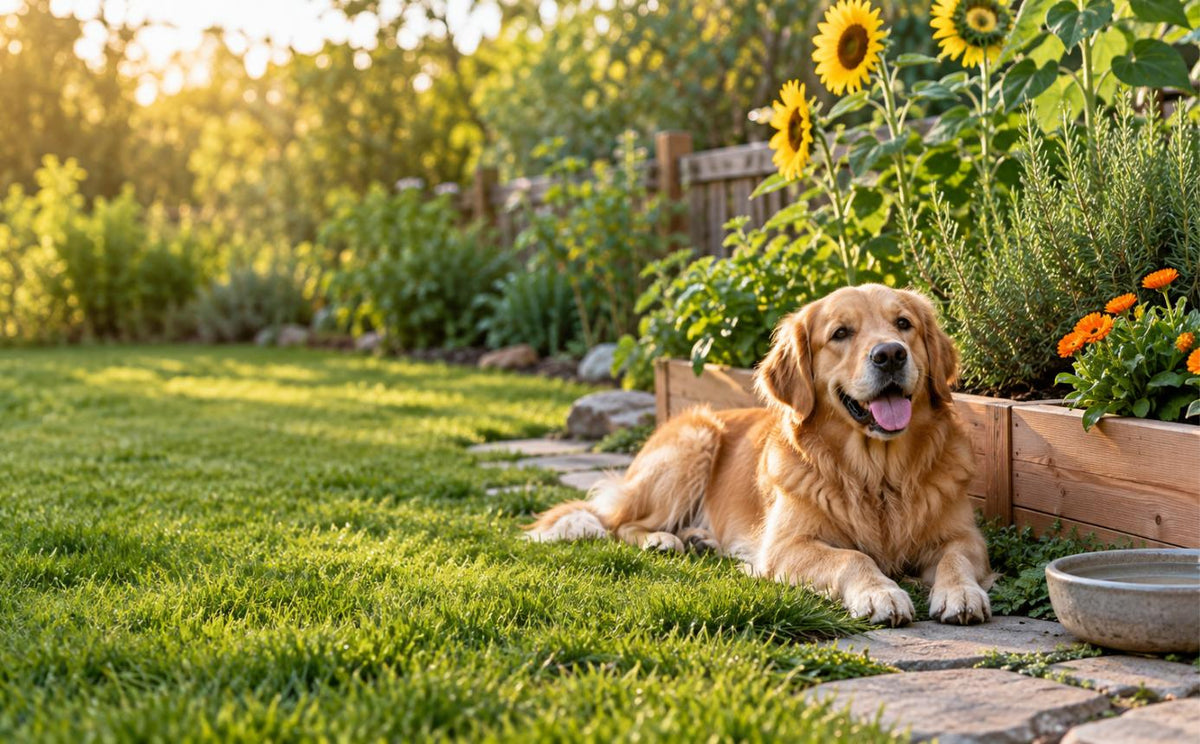
A garden is supposed to relax you. Add a dog or a cat, and it can turn into a daily repair job: dug-up beds, chewed stems, worn trails across the lawn. Worse, a few common plants and materials can send a pet to the vet without you ever seeing it coming. Most of this is a design problem, not a supervision problem. Build the space around how your pet actually moves, chews, and rests, and it stops fighting you.
Start here
What a pet-friendly garden actually needs
A pet-friendly garden is not just a fence around a lawn. It is a space where the plants, surfaces, and layout are chosen so a curious animal cannot easily poison, cut, or overheat itself. Three things carry most of the work:
- Non-toxic plants in any spot a pet can reach, sniff, or chew.
- Safe surfaces that stay cool, hold up to traffic, and are not chemically treated.
- A layout that follows the animal instead of forcing the animal around it.
Dogs and cats live nose-down in the yard, so skin contact and chewing are constant. That is why itchy skin and mild allergic flare-ups are common in outdoor pets, and why a lot of owners keep a calming chewable option like CBD for dog itching on hand alongside cleaner garden habits. Reduce what irritates the animal in the first place, and you deal with less of it later.
Plants
Choose safe plants, and know which "safe" plants are not
Plant selection is where most pet-garden mistakes happen, because the danger is invisible until an animal chews the wrong leaf. Before you plant anything within reach of a pet, check it against the ASPCA toxic and non-toxic plant database. It is the fastest way to confirm a species by name.
- Sunflower (Helianthus annuus). Non-toxic to dogs and cats, and about as forgiving as a flower gets.
- Rosemary (Rosmarinus officinalis). Non-toxic, fragrant, drought-tough, and useful in the kitchen.
- Pot marigold / calendula (Calendula officinalis). ASPCA-listed non-toxic, with the bright-orange marigold look.
- True marigold (Tagetes). Mildly toxic. Essential oils and thiophenes cause drooling and GI upset.
- Lily (Lilium and daylilies). A tiny amount can cause kidney failure in cats.
- Aloe vera. Saponins bring on vomiting, diarrhea, and lethargy.
- Daffodil (Narcissus). Lycorine, concentrated in the bulb, is the danger.
You do not have to trade beauty for safety. Many native flowers resist local pests on their own, need less water, and are non-toxic, which cuts your maintenance at the same time. If your pet does get into something, save the plant tag or a photo and call the ASPCA Animal Poison Control Center at 888-426-4435. They run 24/7.
Layout
Layouts that survive daily pet traffic
Your pet does not care about symmetry. It cares about the shortest route between two points and a comfortable spot to lie down. Watch the yard for a week before you commit. Note where the dog runs the fence line, where the cat suns itself, and which corner gets dug. Then design with those patterns instead of against them:
- Put a path where they already run. Smooth pea gravel or flat stone along the worn trail stops the mud and the bare stripe in the lawn.
- Raise the delicate stuff. A bed 18 to 24 inches high keeps seedlings above nose and paw height without a fence.
- Leave open lanes. Dogs need a straightaway to actually run. Cramming beds edge to edge just guarantees trampled plants.
- Separate the play zone from the planting zone so a game of fetch does not end in the tomatoes.

Materials
Pick safe materials, and skip the ones that hurt pets
Surfaces get overlooked because they are not alive, but a pet lies on, chews, and scratches everything in the yard.
- Smooth pea gravel or flat stone for paths
- Untreated cedar or redwood for beds and fencing
- Shredded pine or cedar bark mulch
- Real ground cover or shaded stone underfoot
- Cocoa bean mulch. Contains theobromine and caffeine, the same compounds that make chocolate toxic to dogs.
- Pressure-treated and CCA wood anywhere a pet might gnaw.
- Artificial turf in full sun. It climbs well above air temperature and burns paw pads.
- Sharp-edged crushed rock on paths.
Water
Water features without the risk
A water feature can be a place for a dog to cool off instead of a hazard, but only if you plan it. Keep any pet-accessible water shallow so a smaller animal can climb out. Avoid standing, stagnant water, which grows bacteria and mosquitoes. And give the edges traction so a wet dog does not slip climbing in and out. A clean, shallow spot doubles as a hot-day cool-down.
Maintenance
Low-chemical maintenance keeps the space safe
The more chemicals your routine needs, the more your pet is exposed to, and the harder the garden is to keep safe. Lean on biology first.
Lean on biology, in this order
Feed the soil, not just the plant
Working compost and worm castings into your beds builds structure and slow-release nutrition without salt spikes. Starting fresh? A complete living soil does most of the feeding for you.
Predators before sprays
Beneficial insects like ladybugs and predatory mites clear soft-bodied pests without residue. One ladybug can eat several thousand aphids over its life.
When you spray, spray clean
Neem oil (azadirachtin) works as an organic preventative, and OMRI-listed OrganiShield uses a sugar-based sucrose octanoate that leaves no oily residue.
Keep the toolkit organic
Everything above lives in our pest and disease control lineup, so you can stay off the harsh stuff entirely.
Fewer harsh chemicals in the yard means fewer skin reactions for the animal walking through it. That is the same reason a lot of owners pair cleaner gardening with a skin-support option like these CBD chews for itchy dogs: less irritation going in, less to manage after.
Behavior
Redirect digging instead of fighting it
You will not train a terrier out of digging, and you should not try. Give the behavior a home. Build a dedicated dig pit, roughly 3 feet by 3 feet, filled with a few inches of loose sand or soft soil, and bury a couple of toys or treats to teach the dog that this is the spot. Add low barriers or a border of bark chips around sensitive beds. Guide the instinct and the rest of the garden survives.
Comfort
Shade and rest zones
Animals need somewhere to cool down, especially in a Buffalo summer that swings hot fast. A shade tree, a covered corner, or even a low canopy over a resting spot near the house goes a long way. Soft grass or a pet-safe ground cover is easier on a lying dog than bare stone or hot turf.
Boundaries
Boundaries that guide, not trap
Fencing does not have to wall off the view. Low wooden fences around plant beds, a natural hedge as a soft barrier, and a secure but easy gate all steer a pet without making the yard feel like a kennel. The goal is to direct movement, which protects the plants and the animal at once. For fencing that keeps airflow and drainage open, see how to secure an outdoor growing space without trapping water and air.
Through the year
Adjust with the seasons
The yard changes through the year, so the routine should too. Add shade and water in summer. Improve drainage before the wet stretches so paws are not tracking mud through standing water. Clear dead leaves and debris in fall and winter so nothing rots into a slip hazard or a hiding spot for pests. Small seasonal tune-ups keep everything running.
A pet-friendly garden is not more work. It is smarter choices made early: safe plants, cool surfaces, a layout that follows the animal, and a maintenance routine that leans on biology instead of chemicals. Get those right and the yard stops being something you manage and goes back to being what it was for, a space you and your pet actually want to be in.
Related reads
Questions? We're easy to reach.
Happy Hydro has been serving growers since 2006. Call or email us before you order, after you order, or any time something comes up. When you're happy, we're happy.
This article is general guidance, not veterinary advice. If you think your pet has eaten a toxic plant, contact your vet or the ASPCA Animal Poison Control Center at 888-426-4435.